

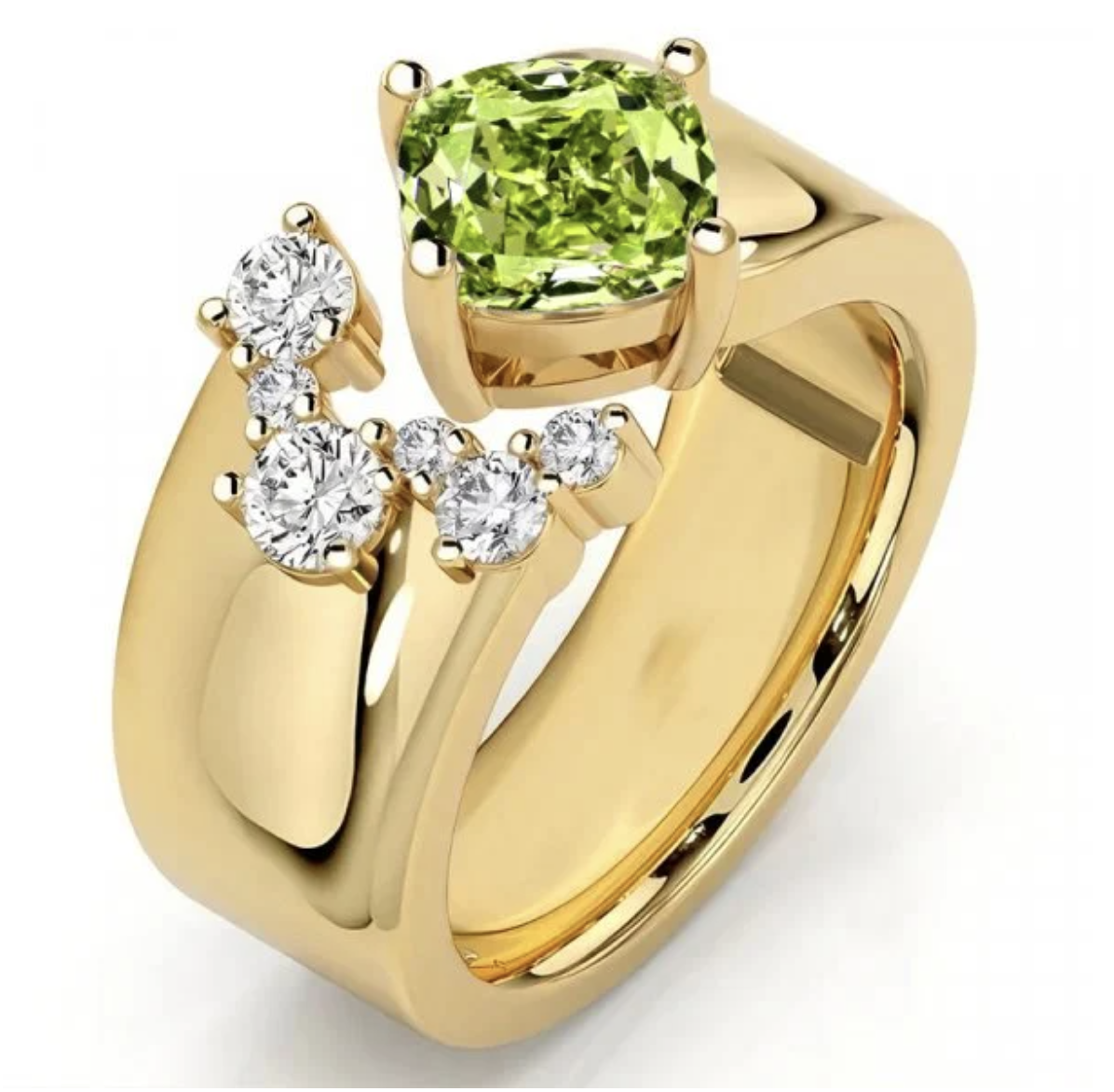
Gold wedding rings have never depended on passing trends. Their appeal comes from something simpler: gold feels personal, looks refined, and ages beautifully when cared for properly. It can be shaped into a slim polished band, finished with a soft brushed texture, or set with diamonds and colored gemstones.
Choosing the right ring, however, involves more than deciding which design looks best in a photograph. Gold color, karat, width, finish, and daily habits all affect how a wedding ring feels and wears over time.
Why Are Gold Wedding Rings So Popular?
Gold has been used in wedding jewelry for centuries, yet it does not feel limited to traditional designs. Modern gold bands can be clean and minimal, while vintage-inspired styles may include engraving, milgrain edges, or hand-finished details.
Some of the main reasons couples choose gold wedding rings include:
- Gold is available in yellow, white, and rose tones.
- It can be engraved and personalized.
- Most gold bands can be resized by an experienced jeweler.
- Scratched or worn surfaces can often be polished and refinished.
- Gold works well with both diamonds and colored gemstones.
- Its familiar appearance pairs easily with existing jewelry.
Pure gold is naturally soft, so jewelers mix it with other metals to make it more suitable for daily wear. The metals used in the alloy also influence the ring’s color, hardness, and feel.
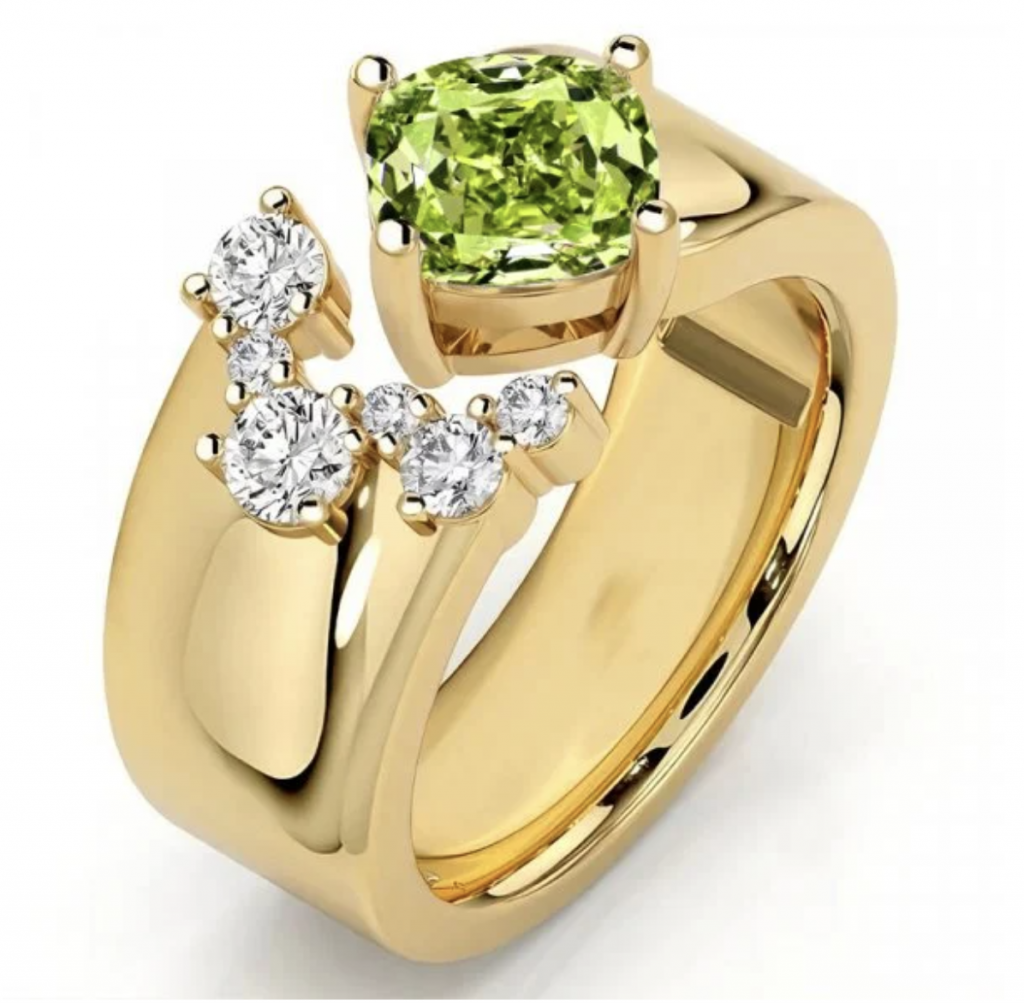
The Three Main Colors of Gold
Yellow Gold Wedding Rings
Yellow gold is the color most people immediately associate with traditional wedding jewelry. Its warm tone works especially well with plain bands, engraved patterns, and vintage-inspired settings.
It also develops character with wear. Fine marks may gradually soften the highly polished surface, creating a natural patina rather than making the ring look old. For someone who prefers classic jewelry and does not want to worry about rhodium replating, yellow gold is a dependable choice.
White Gold Wedding Rings
White gold has a cooler, more contemporary appearance. It pairs naturally with diamonds because its bright surface does not compete with the stones. It is also easy to coordinate with silver-toned watches and accessories.
Most white gold wedding rings are coated with rhodium to give them a crisp white finish. That coating does not last forever. Depending on how often the ring is worn, it may need replating after several years—or sooner if the wearer frequently works with their hands.
Rose Gold Wedding Rings
Rose gold has a soft pink tone created by adding copper to the gold alloy. It feels romantic without being overly decorative and looks particularly attractive in engraved, floral, and vintage-style rings.
The copper content can make rose gold relatively durable, but anyone with a known sensitivity to copper should check the alloy details before buying.
Is 14K or 18K Gold Better for a Wedding Ring?
There is no single correct answer. The better choice depends on how the ring will be worn and what the buyer values most.
14K Gold
14K gold contains 58.5% pure gold. The remaining metal alloys give it added strength, which is useful for a ring that may be worn every day.
It is often the more practical option for people with active routines. The color is slightly lighter than 18K gold, but it still has the rich appearance expected from genuine gold. It is also generally more affordable.
18K Gold
18K gold contains 75% pure gold and has a deeper, more saturated color. This is particularly noticeable in yellow gold. It feels luxurious and is often chosen for fine wedding and engagement jewelry.
Because it contains more pure gold, 18K gold is softer than 14K gold. It can still be worn regularly, but it may pick up scratches more easily and should be treated with a little extra care.
What About 24K Gold?
24K gold is close to pure gold, but purity does not necessarily make it the best material for a wedding ring. It is soft enough to bend and mark more easily during ordinary wear. For most couples, 14K or 18K gold offers a more useful balance of beauty and durability.
Gold Wedding Rings Compared with Other Metals
Gold remains a favorite, but it is worth comparing it with other popular ring metals before making a decision.
Gold vs. Platinum
Platinum is naturally white, dense, and noticeably heavier than gold. It does not require rhodium plating, and it holds gemstones securely when the setting is well made. It is also usually more expensive.
Gold feels lighter and offers three distinct color choices. White gold can provide a similar bright appearance at a different price point, although it may require occasional replating.
Gold vs. Sterling Silver
Sterling silver is attractive and affordable, but it can tarnish and is generally softer than the gold alloys commonly used for wedding rings. Frequent wear may leave silver looking scratched or dull unless it is regularly cleaned.
Gold usually requires less day-to-day attention and is better suited to a ring intended to be worn for many years.
Gold vs. Titanium
Titanium is strong, lightweight, and comfortable on the hand. It suits simple, modern ring designs, but resizing can be difficult and is not always possible.
Gold offers more freedom when it comes to engraving, gemstone settings, decorative finishes, and later resizing. That flexibility can be valuable if a person’s ring size changes over time.
Gold vs. Tungsten
Tungsten is much harder than gold and resists surface scratches extremely well. It has a substantial feel, although it can crack after a severe impact. Most tungsten bands also cannot be resized.
Gold will collect small marks more easily, but it can usually be polished, repaired, and adjusted by a jeweler. For a lifelong piece, repairability deserves as much attention as scratch resistance.
How to Choose a Gold Wedding Ring for Everyday Wear
A wedding ring should suit the person wearing it, not just the wedding-day outfit.
Start with Daily Habits
Someone who types at a desk all day may be comfortable with a wider or more detailed ring. A person who regularly handles tools, sports equipment, or heavy objects may prefer a smooth 14K band with a low profile.
Even a durable wedding ring should be removed before weight training, manual construction work, swimming in chlorinated water, or using strong cleaning products.
Pay Attention to Width
A narrow ring looks subtle and usually feels light on the finger. A wider band has a stronger presence but may feel tighter, especially in warm weather.
Trying several widths is useful because two rings with the same listed size can feel different. Wider bands sometimes require a slightly larger size for a comfortable fit.
Consider a Comfort-Fit Interior
A comfort-fit ring is gently rounded on the inside. This small detail can make a noticeable difference for someone who is not used to wearing jewelry.
The shape allows the ring to slide more smoothly over the knuckle while reducing pressure against the finger during long periods of wear.
Check How It Sits Beside an Engagement Ring
A wedding band and engagement ring do not need to match perfectly, but they should sit together without damaging each other. A high basket or unusual engagement ring setting may require a curved or contoured wedding band.
Mixed metals can look intentional and modern. However, rings made from materials with different hardness levels may rub against one another, so the contact points should be checked before choosing a pair.
Plain Gold Band or Gemstone Ring?
A polished gold band is understated and easy to maintain, but it is not the only appropriate choice. Many couples prefer wedding rings with diamond accents, engraved details, or colored gemstones.
Popular design options include:
- Brushed and satin finishes
- Hammered gold surfaces
- Milgrain borders
- Channel-set diamonds
- Bezel-set gemstones
- Twisted or braided bands
- Mixed yellow, white, and rose gold
- Personal dates or messages engraved inside the ring
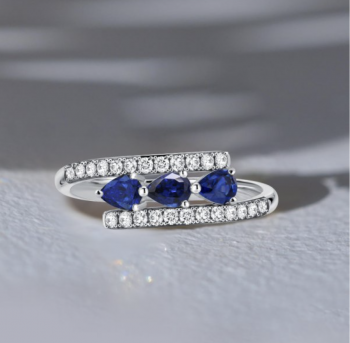
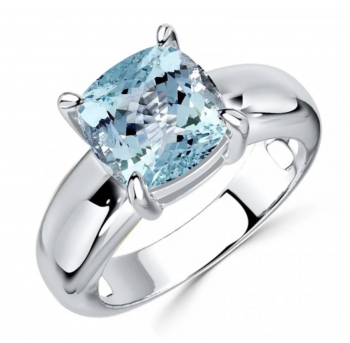
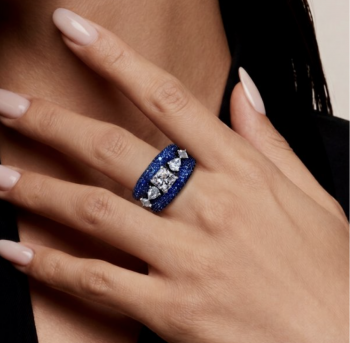
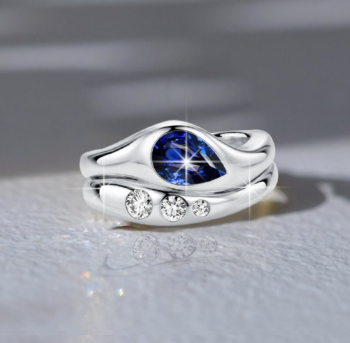
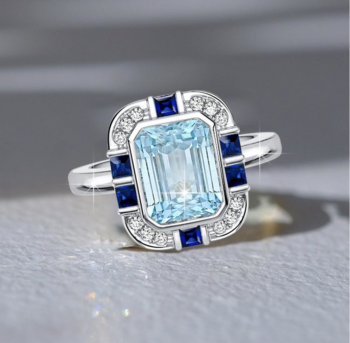
A gemstone ring can also be worn as a wedding ring when the stone and setting are suitable for regular use. Sapphires, rubies, and diamonds are common choices because they hold up better than many softer gemstones.
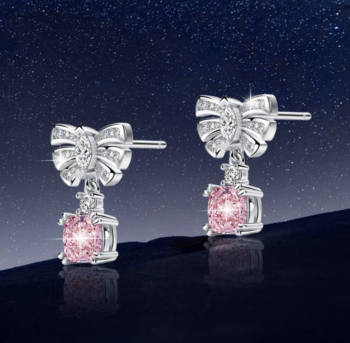
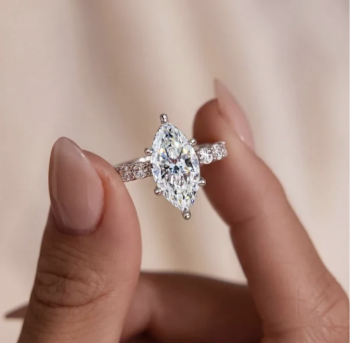
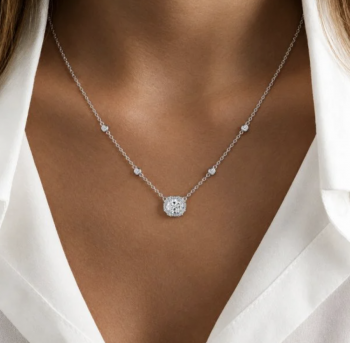
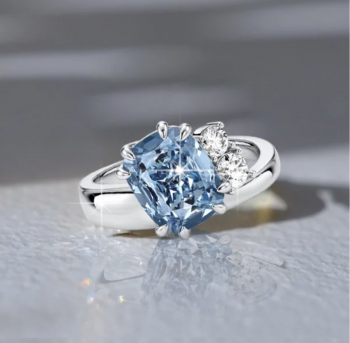
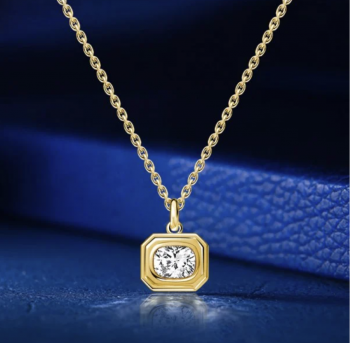
ItaloJewelry provides gemstone ring designs for shoppers who want color, symbolism, or a less conventional wedding style. A gemstone ring may be worn alone, paired with a simple gold band, or chosen later as an anniversary piece.
What to Check Before Buying a Gemstone Ring
The beauty of the stone is only one part of the decision. For a ring that will be worn often, the setting matters just as much.
Low-profile prong settings are less likely to catch on clothing than tall settings. A bezel setting surrounds more of the stone and can offer additional protection, making it useful for an active wearer.
The gemstone’s hardness should also be considered. Some beautiful stones are better reserved for occasional jewelry because they scratch, chip, or react to heat and chemicals more easily.
Caring for Gold Wedding Rings at Home
Gold wedding rings do not need complicated cleaning routines. In most cases, lukewarm water, mild soap, and a soft brush are enough to remove everyday residue. Dry the ring with a clean, lint-free cloth rather than a paper towel, which may leave fine marks.
Avoid exposing the ring to bleach, chlorine, abrasive cleaners, and harsh polishing products. If the ring includes gemstones, do not assume that every stone can be cleaned with steam or an ultrasonic machine.
Store the ring separately when it is not being worn. Harder gemstones or metals can scratch gold when several pieces are placed together.
A professional inspection is worthwhile if the ring has prongs or small stones. A jeweler can spot a loose setting before it becomes a lost gemstone. White gold can also be replated, while yellow and rose gold surfaces can be polished or restored when needed.
Buying Gold Wedding Rings with Confidence
Product photographs are helpful, but the specifications tell the fuller story. Before placing an order, check:
- Whether the ring is made from 14K or 18K gold
- The band’s width and thickness
- Whether the listed size can be adjusted
- The type and quality of any gemstones
- The setting style
- Shipping and return conditions
- Warranty coverage
- Payment security
ItaloJewelry offers FREE SHIPPING on any order, a 60-DAY Return policy, a ONE-YEAR Warranty, and 100% SECURE Payment. These services give customers more room to confirm the fit, examine the craftsmanship, and choose between gold wedding rings and gemstone ring designs with confidence.
Ring size should still be measured carefully before ordering. Fingers may swell slightly in warm weather or later in the day, so taking more than one measurement usually produces a more reliable result.
Finding a Ring That Still Feels Right Years Later
The best gold wedding rings are not always the most elaborate. A simple band with the right proportions can look just as distinctive as a ring covered in stones.
Yellow gold brings warmth and tradition. White gold feels polished and modern, while rose gold offers a softer, more romantic character. The choice between 14K and 18K gold depends on whether everyday durability or richer gold content matters more to the wearer.
Above all, a wedding ring should feel comfortable and natural on the hand. When the metal, shape, and finish fit the wearer’s real life, the ring becomes more than a wedding-day accessory—it becomes a familiar part of every day.

 © 2026 by Italojewelry®. All Rights Reserved.