

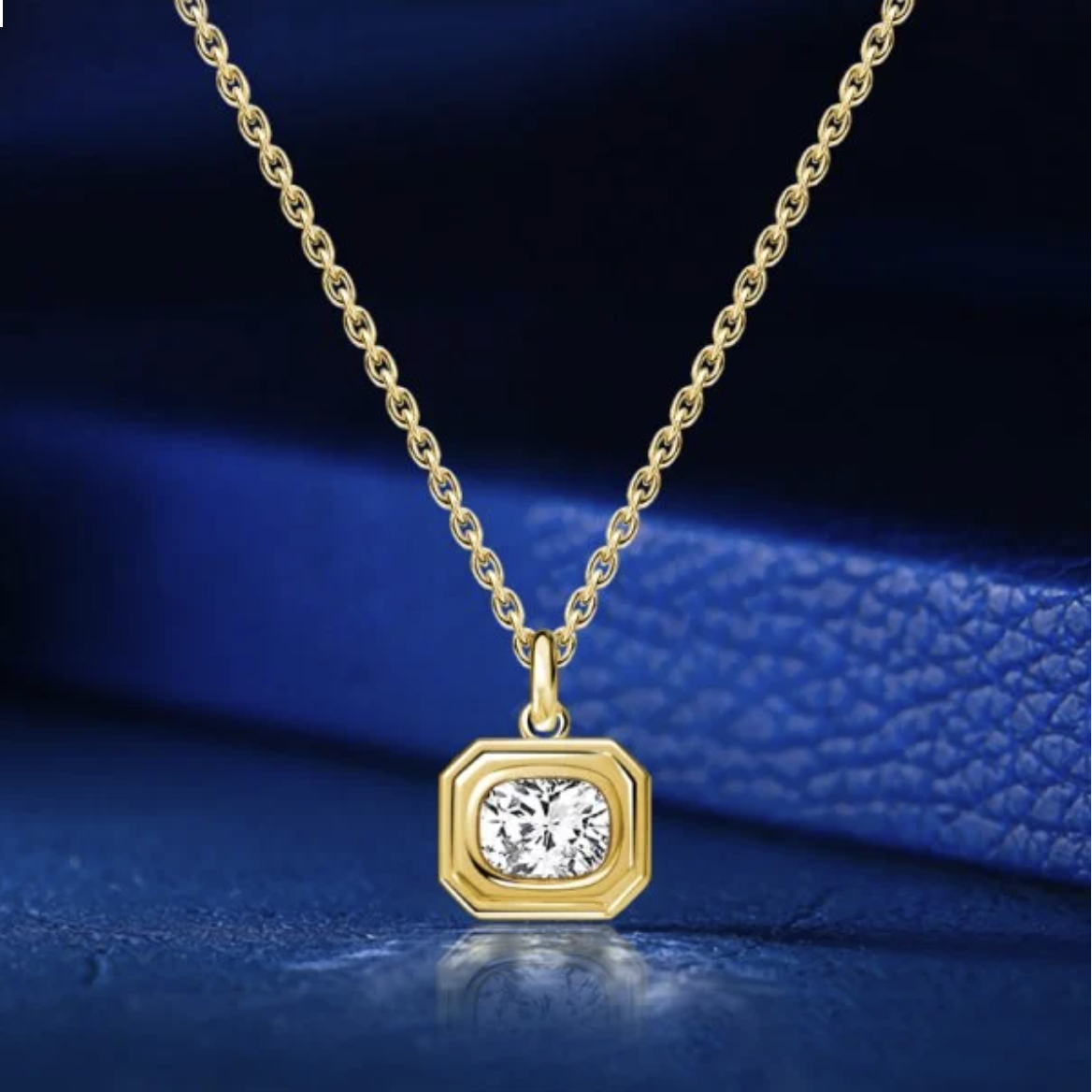
Gold jewelry is meant to be worn, not just saved for special occasions. A favorite ring can go from a morning coffee run to the office, dinner, and a weekend away without ever leaving your hand. But if you plan to wear a piece that often, one question matters: is 14K or 18K gold better for everyday wear?
The difference comes down to more than price. Gold content, durability, color, maintenance, and even your daily routine can influence which one feels right.
What Is 14K Gold?
14K gold contains about 58.3% pure gold, with the remaining portion made from alloy metals that help improve strength and durability.
That balance is one reason 14K gold is so practical for jewelry that gets regular use. Rings, wedding bands, bracelets, chains, and earrings can all benefit from a metal that handles everyday contact reasonably well.
14K gold also has a slightly softer, more understated gold tone than higher-karat yellow gold. For people who prefer jewelry that feels easy and wearable rather than overly formal, that can be part of its appeal.
What Is 18K Gold?
18K gold contains 75% pure gold, giving it a noticeably higher gold content than 14K.
In yellow gold, that difference often creates a richer, warmer appearance. There is a depth to 18K gold that works particularly well with diamonds and colored gemstones.
The trade-off is simple: more pure gold generally means a softer alloy. An 18K ring can absolutely be worn every day, but someone who frequently works with their hands may notice scratches or signs of wear sooner.
14K vs 18K Gold: Quick Comparison
| Feature | 14K Gold | 18K Gold |
|---|---|---|
| Pure Gold Content | 58.3% | 75% |
| Everyday Durability | Higher | Good, but softer |
| Gold Color | Subtle | Richer and warmer |
| Scratch Resistance | Better | More prone to surface wear |
| Price | Generally lower | Generally higher |
| Best For | Active everyday wear | Premium everyday jewelry |
| Luxury Feel | Classic | More pronounced |
Neither option is automatically better. The right choice depends on how you expect to wear the piece.
Is 14K Gold Better for Everyday Wear?
For a person who rarely takes off their jewelry, 14K gold has a strong practical advantage.
Think about what an everyday ring actually goes through: grabbing door handles, typing, carrying bags, brushing against countertops, traveling, exercising, and countless small impacts you barely notice.
The additional alloy content in 14K gold gives it greater resistance to everyday wear than higher-purity gold.
14K Gold Is Especially Suitable For:
- Wedding bands worn around the clock
- Engagement rings for active lifestyles
- Gold chains and bracelets
- Everyday gemstone rings
- Jewelry worn while traveling
- Pieces intended to require relatively little maintenance
There is also a financial advantage. Because 14K contains less pure gold than 18K, it is generally more affordable, which can leave more room in the budget for a larger gemstone, more detailed setting, or another piece for your jewelry stack.
Why Choose 18K Gold Instead?
Durability is not everyone's first priority.
For some jewelry lovers, the richer appearance of 18K gold is exactly what makes the extra cost worthwhile. Its 75% gold content gives yellow gold jewelry a distinctive warmth that can make diamonds and colorful stones look especially striking.
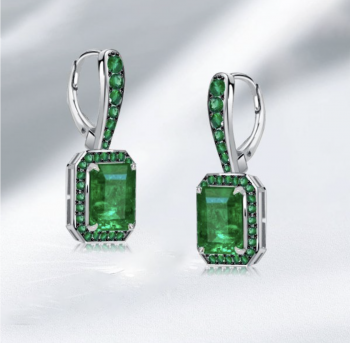
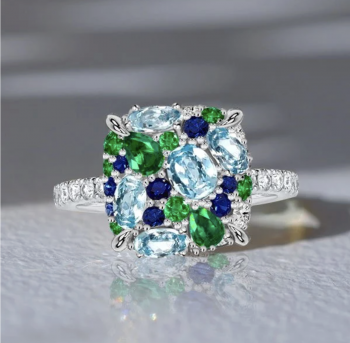
An 18K gemstone ring, for example, can create a beautiful contrast with sapphire, emerald, ruby, moissanite, or a colored center stone.
18K Gold May Be a Better Fit If You:
- Prefer a richer yellow-gold appearance
- Want higher gold content
- Are buying a significant fine-jewelry piece
- Do not mind occasional polishing and maintenance
- Remove your jewelry during strenuous activities
18K gold does not need to live inside a jewelry box. It simply rewards slightly more careful wear.
The 2026 Jewelry Mood: Bigger Gold, Bolder Personality
One interesting shift in jewelry right now is the move away from jewelry that tries to disappear.
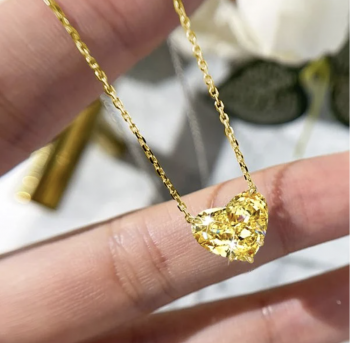
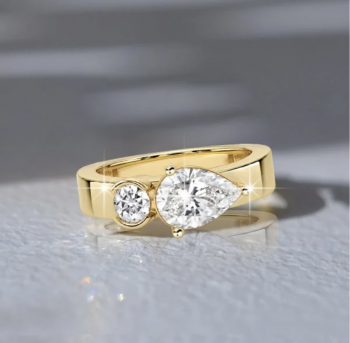
Chunky gold bands, bezel-set stones, sculptural rings, and stronger silhouettes are giving everyday fine jewelry more personality. Instead of stacking several extremely delicate pieces, many shoppers are choosing one substantial ring or pendant that becomes part of their daily uniform.
This makes the 14K vs 18K decision even more interesting. A substantial 14K gold ring can deliver the bold look while maintaining everyday practicality, while an 18K version brings a deeper gold color and a more luxurious presence.
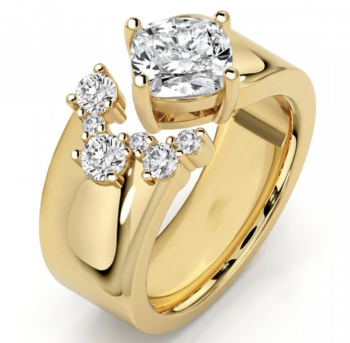
Multi-row designs also fit naturally into this trend. A MULTI ROW BAND can create a fuller, statement-inspired look while still working as an everyday piece when the proportions and setting are comfortable.
Another major jewelry conversation is the continued popularity of lab-grown diamonds, larger center stones, and clean modern settings. The result is that everyday jewelry no longer has to look basic or overly delicate.
What About 14K vs 18K White Gold?
White gold changes the comparison slightly.
Both 14K and 18K white gold are created by combining gold with lighter-colored alloy metals. Many white-gold pieces are also rhodium plated to achieve their bright finish.
Because of that plating, the visual difference between 14K and 18K white gold can be much less obvious than the difference between 14K and 18K yellow gold.
If you are choosing white gold primarily for everyday durability and value, 14K is worth considering. If higher gold content and a more premium composition matter more, 18K may be preferable.
Keep in mind that white gold jewelry may eventually need rhodium replating as its surface finish wears.
14K vs 18K Gold for an Everyday Gemstone Ring
A gemstone ring introduces another factor: the setting.
If you are choosing a ring with a raised center stone or intricate prongs, durability is not only about the gold itself. The design of the setting matters too.
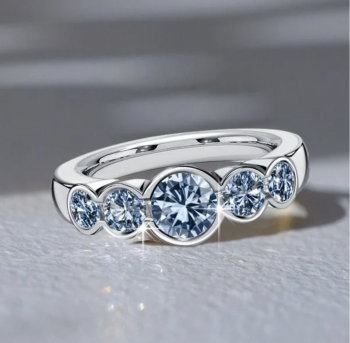
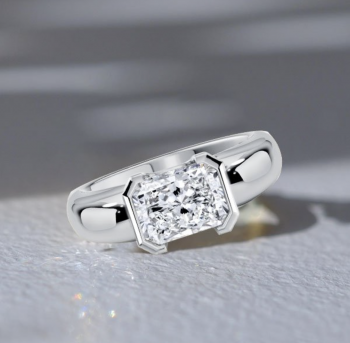
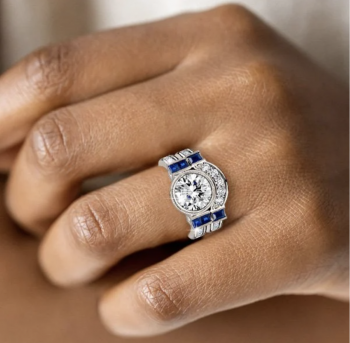
This is one reason bezel settings have become especially interesting for modern everyday jewelry. A bezel surrounds more of the stone with metal, creating a smooth, contemporary profile.
For shoppers exploring gemstone jewelry, italo jewelry offers gemstone ring designs along with customer-friendly services including FREE SHIPPING on any order, a 60-DAY Return policy, a ONE-YEAR Warranty, and 100% SECURE Payment.
Regardless of where you shop, look beyond the karat stamp. Consider how the stone is protected and whether the entire design suits the way you actually live.
How to Choose Between 14K and 18K Gold
Ask yourself one simple question:
What will an ordinary Tuesday look like for this piece of jewelry?
If the answer involves commuting, typing, errands, travel, kids, workouts, or frequent hands-on activities, 14K gold may make everyday ownership easier.
If you are relatively careful with jewelry and care deeply about rich gold color and higher purity, 18K becomes very appealing.
Choose 14K Gold If:
- Durability is a major priority
- You want a practical everyday piece
- You prefer a more accessible price point
- Your jewelry will be worn during an active routine
Choose 18K Gold If:
- You prefer a richer gold color
- Higher gold purity matters to you
- You want a more luxurious finish
- You are comfortable giving the piece a little more care
Can You Mix 14K and 18K Gold Jewelry?
Absolutely. Your jewelry collection does not need to follow one karat.
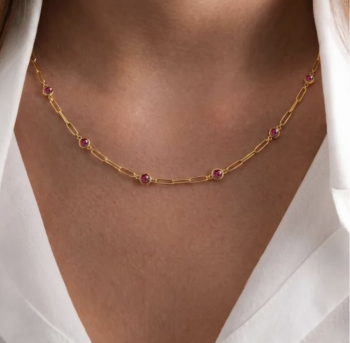
You might wear an 18K statement ring alongside a 14K everyday chain, or combine different gold purities in a layered necklace look. The slight variation in color can actually make a stack feel more personal.
The same applies to mixing yellow, white, and rose gold. Modern jewelry styling is increasingly less concerned with everything matching perfectly and more interested in creating a collection that feels collected over time.
FAQs About 14K vs 18K Gold for Everyday Wear
Does 14K Gold Scratch Easily?
14K gold can still scratch because no gold jewelry is completely scratch-proof. However, its alloy composition generally makes it more resistant to everyday wear than higher-karat gold.
Is 18K Gold Too Soft for Everyday Wear?
No. 18K gold is widely used for fine jewelry and can be suitable for daily wear. It simply requires a little more care than 14K because of its higher pure-gold content.
Is 14K or 18K Better for an Engagement Ring?
Both can work. Someone with a highly active lifestyle may appreciate the durability of 14K, while someone who prioritizes rich color and higher gold content may prefer 18K.
Does 18K Gold Look Different from 14K Gold?
In yellow gold, usually yes. 18K tends to have a deeper, richer yellow tone because it contains more pure gold. The difference can be less noticeable in rhodium-plated white gold.
Can I Shower with 14K or 18K Gold Jewelry?
Solid gold handles moisture better than many plated materials, but repeatedly exposing fine jewelry to soaps, shampoos, chemicals, and mineral deposits can dull its appearance. Removing valuable jewelry before showering or swimming can reduce unnecessary buildup and wear.
Final Thoughts: 14K or 18K Gold?
When comparing 14K vs 18K gold for everyday wear, think less about which metal sounds more luxurious and more about which one matches your lifestyle.
14K gold is the practical everyday choice for people who want durability, versatility, and a more accessible price point.
18K gold offers higher purity and richer color, making it appealing when appearance and gold content are higher priorities.
Both can become jewelry you wear for years. The best everyday gold is not necessarily the one with the highest karat number. It is the one you love enough to reach for every morning and that fits comfortably into the life you actually live.


 © 2026 by Italojewelry®. All Rights Reserved.