

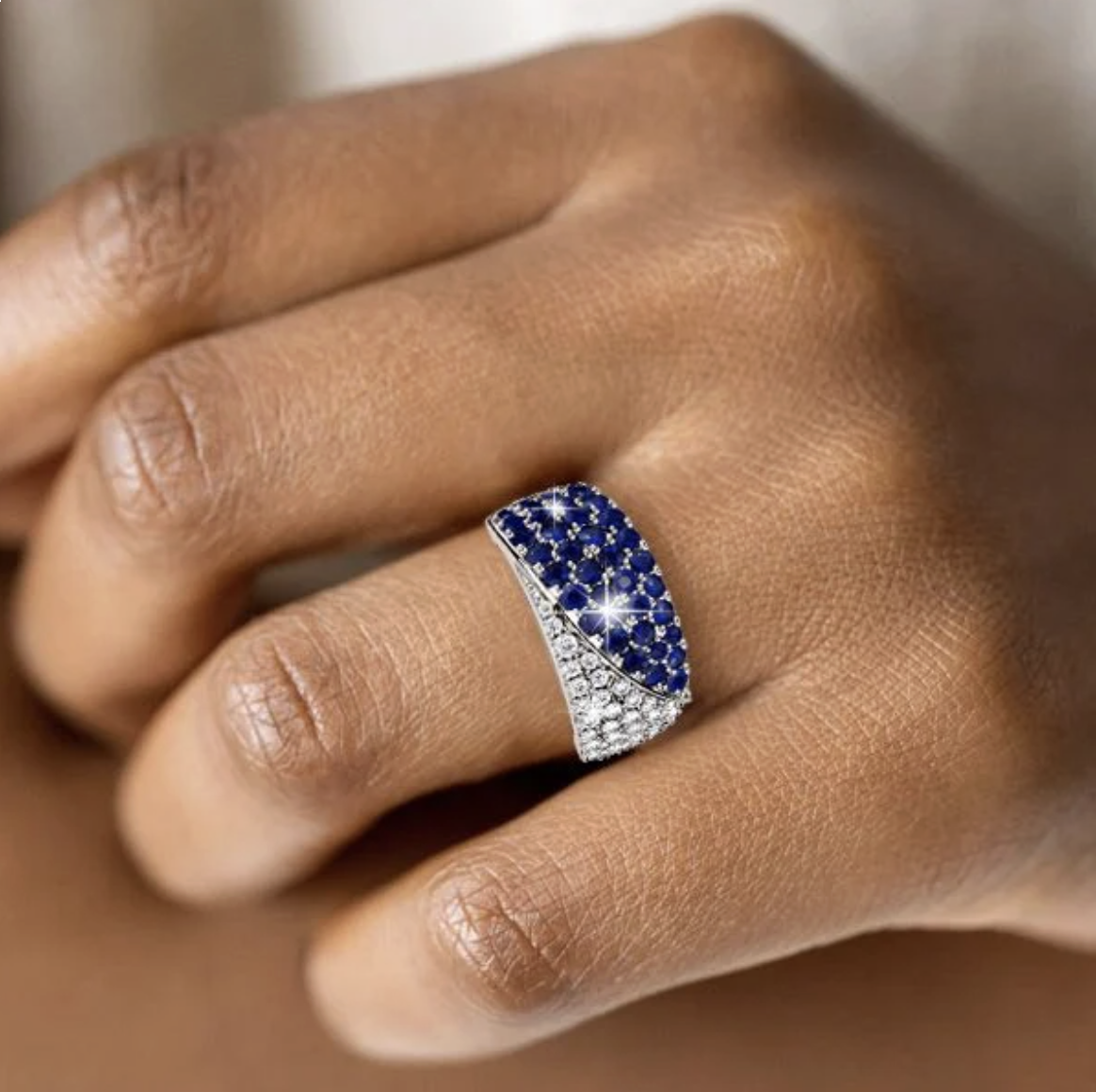
When comparing precious metals for fine jewelry, platinum vs white gold is one of the most searched and discussed topics among engagement ring buyers and jewelry lovers. From a professional jeweler’s perspective, understanding how these two metals differ in color, performance, and meaning helps you make a confident, long-term choice that fits both style and lifestyle.
Platinum vs White Gold: Color and Visual Identity
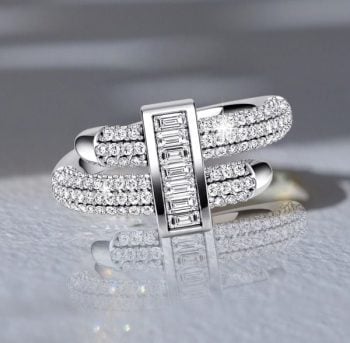
Although they appear similar at first glance, platinum and white gold have distinct visual personalities. Platinum has a naturally white-gray tone with a soft, understated luster that does not rely on surface treatments. White gold, by contrast, is created by alloying yellow gold with white metals and is often finished with rhodium plating to achieve a bright, mirror-like white.
In platinum vs white gold, platinum’s color is permanent and develops a subtle patina over time that many consider elegant and luxurious. White gold maintains a crisp shine but may need periodic replating to preserve its original brilliance.
Platinum vs White Gold: Durability and Daily Wear
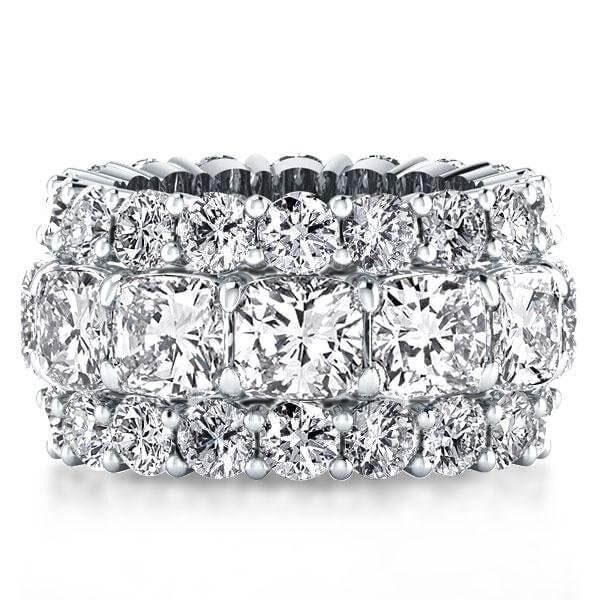
Durability is a key factor when choosing fine jewelry meant for everyday use. In the debate of platinum vs white gold, platinum stands out for its density and strength. It resists metal loss, meaning scratches shift the metal rather than wear it away, making it ideal for heirloom-quality rings.
White gold is also strong, especially in higher-karat alloys, but over years of wear it can gradually lose metal. For those with active lifestyles or who wear their rings daily, this distinction can significantly affect long-term satisfaction.
Platinum vs White Gold: Value, Maintenance, and Lifestyle Fit
From a value perspective, platinum vs white gold often comes down to upfront cost versus ongoing care. Platinum is typically more expensive initially due to its purity and weight, but it requires minimal maintenance. White gold usually has a lower purchase price, though maintenance such as rhodium replating should be considered over time.
Lifestyle plays an important role as well. Platinum suits buyers who prefer low-maintenance luxury, while white gold appeals to those who enjoy a bright finish and don’t mind occasional upkeep.
Platinum vs White Gold: Symbolism and Emotional Meaning
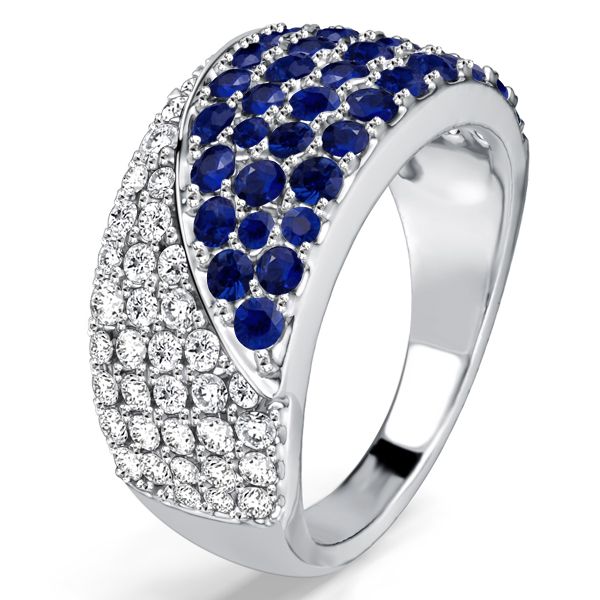
Beyond physical traits, platinum vs white gold carries symbolic differences. Platinum is often associated with rarity, endurance, and timeless commitment—qualities many couples value for engagement and wedding jewelry. White gold represents modern elegance, versatility, and refined beauty, making it a popular choice for contemporary designs.
The emotional meaning behind each metal can be just as important as its appearance, especially for jewelry that marks life’s most meaningful moments.
Conclusion: Making the Right Choice
Ultimately, choosing between platinum vs white gold depends on your personal priorities—whether that’s durability, color permanence, symbolism, or budget. Both metals offer exceptional beauty and performance when crafted by skilled jewelers and paired with thoughtful design. By understanding their differences, you can select a metal that not only looks stunning but also aligns perfectly with your values and lifestyle.

 © 2026 by Italojewelry®. All Rights Reserved.